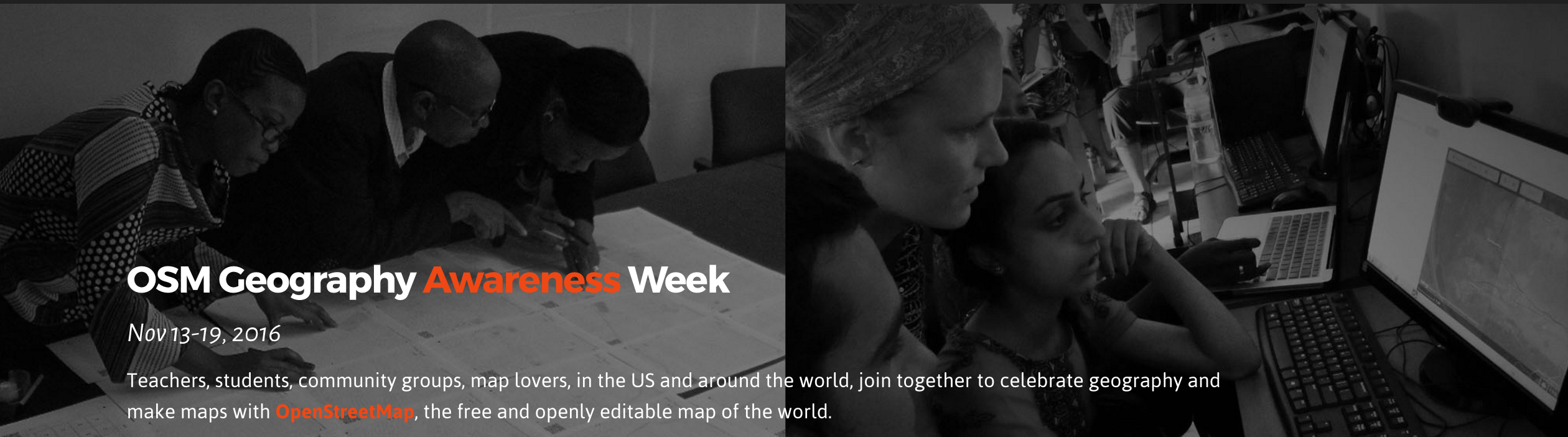
Missing Maps members are gearing up for OSM Geography Awareness Week this Novmber, hoping to support over 100 mapathons around the world!
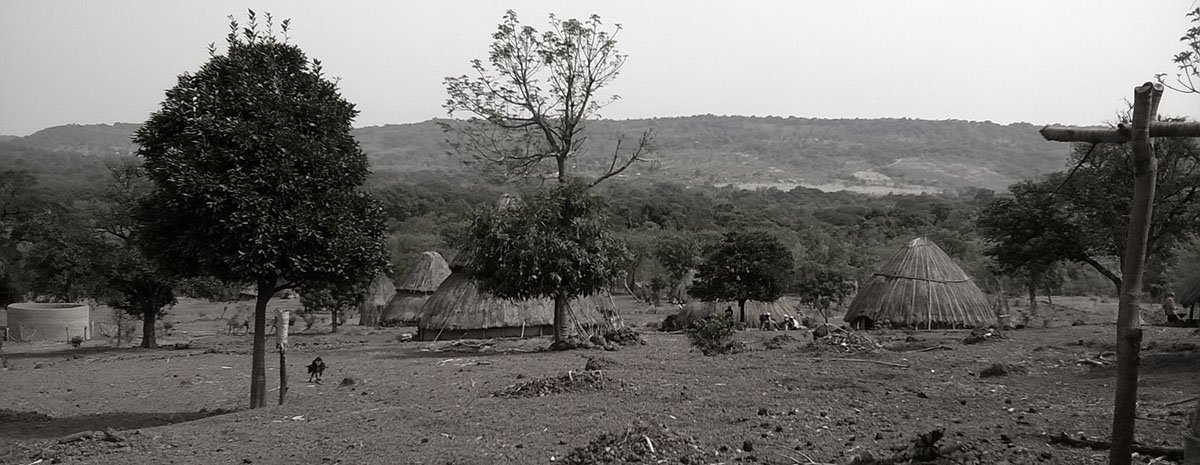
The Danish, Swiss and British Red Cross are currently working together to support the Guinea Red Cross in developing integrated, high quality programmes, and the Reproductive Health and Rights Programme is one of these. It aims to improve knowledge and access to reproductive health and rights in the Moyenne Guinée region of the country.
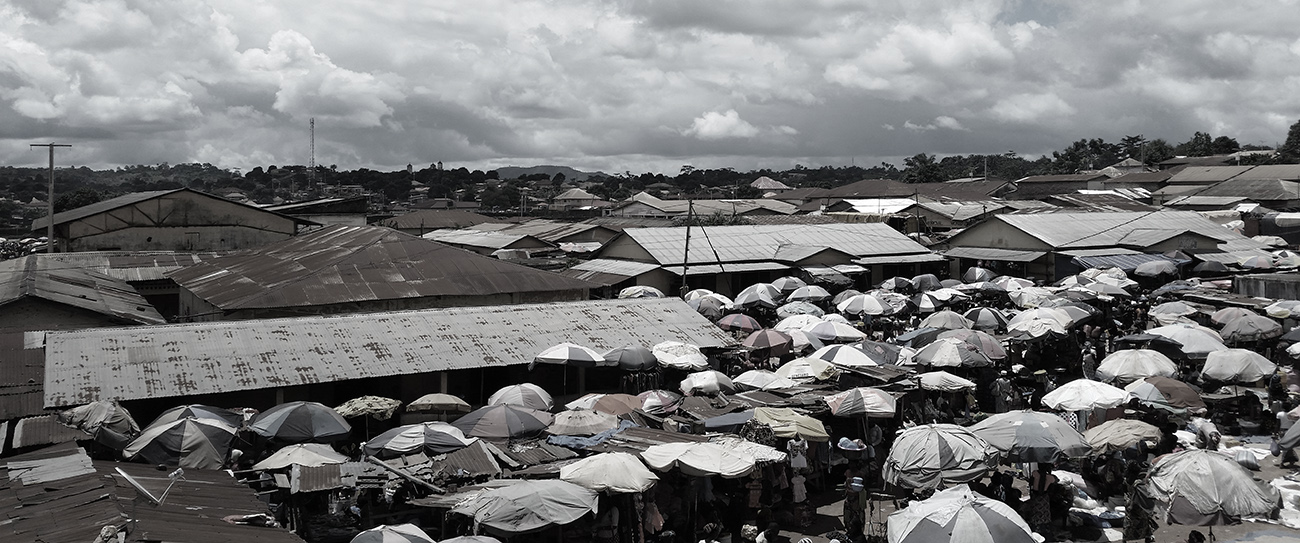
After initially sending volunteers to record all the population centres in the border regions, we then selected some emerging cities in Liberia, Guinea and Sierra Leone to map in their entirety. Volunteers spend hours and days moving from one corner of the city to the other mapping every mappable entity, capturing every detail.
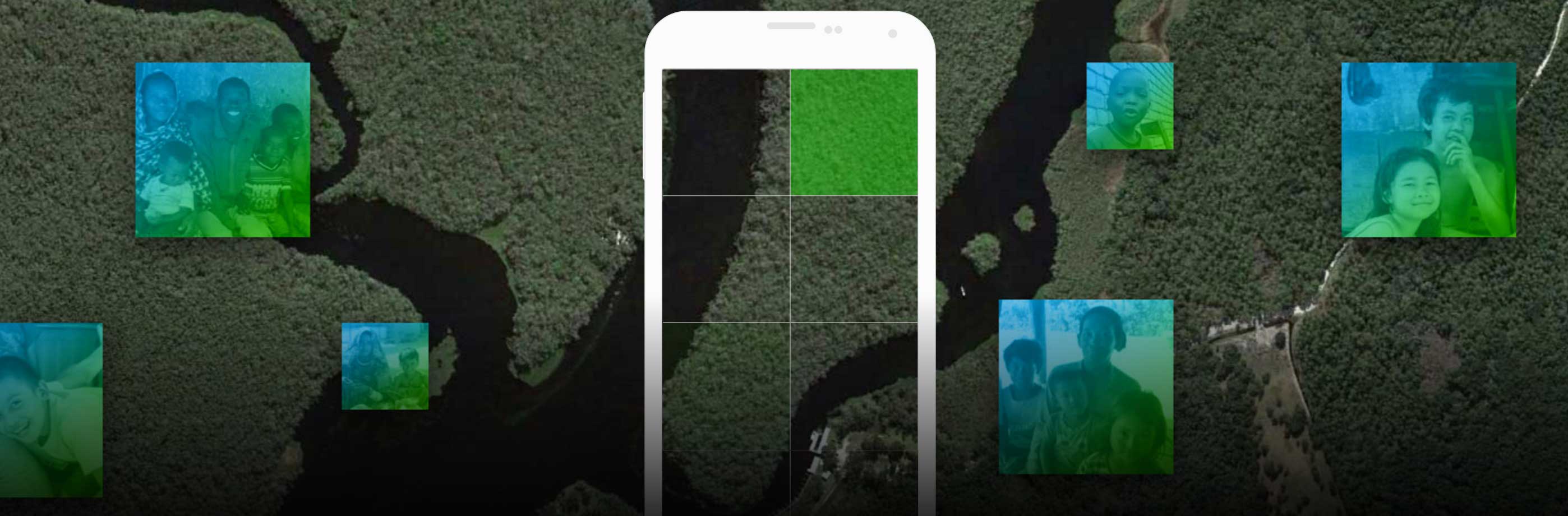
Following the excellent feedback so many of you sent us, our team has been hard at work to get the next update out. Get the details, here!
We have had an amazing response to MapSwipe in terms of the mapping you have done, but also your feedback and bug reports. We are listening! Find out here what we are doing to address the most common issues.
MapSwipe relies on users being able to interpret what they see in the satellite imagery provided. This tutorial gives some guidance on how best to do that.
MapSwipe enables anyone with a smartphone to contribute to the mapping of these vulnerable communities. Download the app, choose a mission, read the instructions and get started!
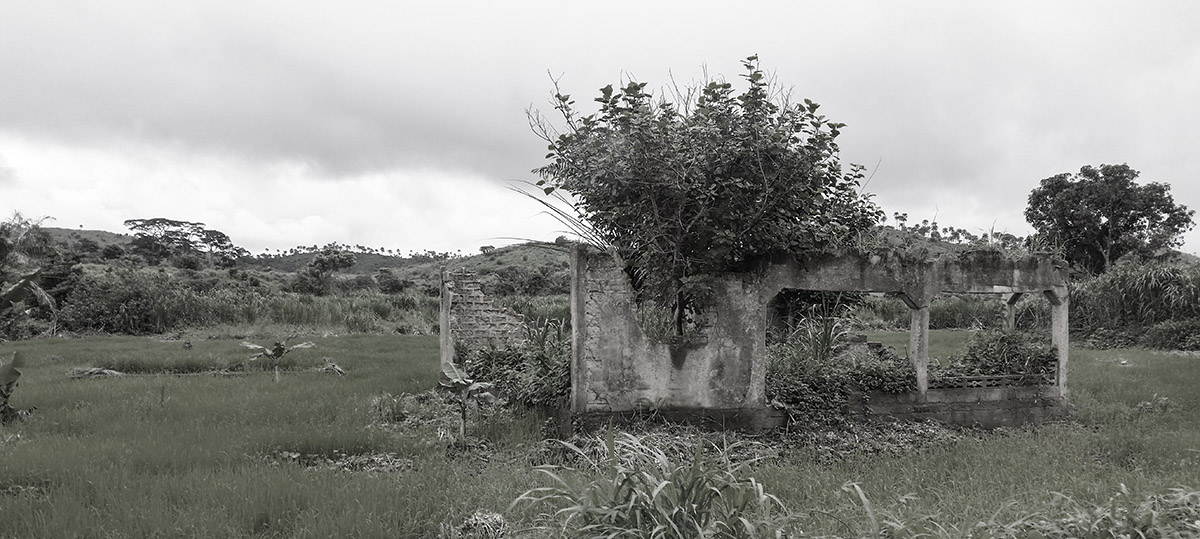
Our work in the recent couple of months has been to map communities in a 15 kilometre buffer of the borders of Sierra Leone, Liberia and Guinea – this was the region most affected by Ebola Virus Disease. This has been achieved over and above our expectation. Each of these countries has had its challenges in mapping the communities, but the successes supersede the somewhat expected challenges.
As the blog expands we added an atom feed so you can subscribe and get the latest updates on Missing Maps.

 CS
CS